I remember the first time I walked into a pottery painting studio. Rows of blank white mugs, bowls, and plates stared back at me like a classroom full of expectant students. My mind went completely blank. What was I supposed to paint on these things?
Here’s what nobody tells you about pottery painting: the blank canvas can be the hardest part. But once you get past that initial “what do I paint?” panic, pottery painting becomes one of the most satisfying creative outlets you’ll ever discover. You’re not just making art—you’re creating functional pieces that you’ll actually use every single day.
After countless pottery painting sessions (and yes, a few disasters that live permanently in the back of my cupboard), I’ve learned something important. The best beginner projects aren’t about being perfect. They’re about choosing designs that feel achievable, look charming even with wobbly lines, and make you excited to pick up that brush.
Today I’m sharing 30 pottery painting ideas specifically chosen for beginners. These aren’t intimidating masterpieces that require art school training. They’re approachable, forgiving designs that work beautifully even if your hands shake a little or your brush strokes aren’t magazine-perfect.
All images provided are original and can be used as a reference for your own paintings.
Table of Contents
Why Pottery Painting is Worth Your Time
Before we jump into the designs, let me tell you why pottery painting has become such a beloved creative practice. According to recent studies, even brief art-making sessions can significantly reduce stress and boost mood. But pottery painting offers something extra—you walk away with a tangible, usable piece that reminds you of your creativity every time you reach for your morning coffee.
Unlike some art forms that require expensive equipment or years of practice, pottery painting welcomes complete beginners with open arms. Most studios provide everything you need, from brushes to underglazes to expert tips. If you’re painting at home, the supplies are relatively affordable and easy to find.
Plus, pottery painting has exploded on social media lately. Scroll through TikTok or Pinterest and you’ll find thousands of creative designs—from minimalist modern patterns to whimsical characters. The current trends lean toward personalized pieces, bold color combinations, and designs that mix humor with aesthetics.
What You Need to Get Started
Let’s talk supplies. The beauty of pottery painting is that you don’t need much to begin.
For studio painting, you’ll typically work with:
- Bisque-fired pottery (already fired once, ready to paint)
- Underglazes (special ceramic paints)
- Various brush sizes
- A clear glaze finish
For at-home projects, you’ll want:
- Ceramic or bisque pieces
- Acrylic paints designed for ceramics, or underglazes
- Fine and medium paintbrushes
- Painter’s tape for clean lines
- A clear sealant (if using acrylics)
One quick note about underglazes versus regular paint. Underglazes are designed specifically for pottery and require kiln firing to become permanent and food-safe. Regular ceramic acrylic paints work too, especially for decorative pieces, but they won’t be dishwasher-safe. Know which you’re using and plan accordingly.
30 Beginner-Friendly Pottery Painting Ideas
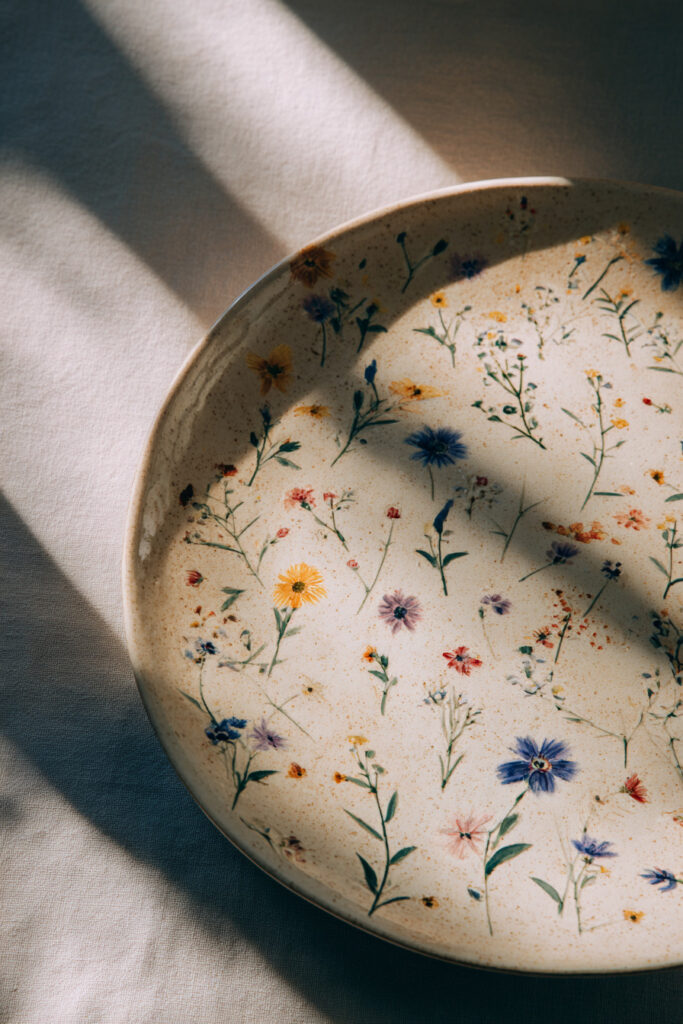
Wildflower Scatter Plate
Tiny House Planter
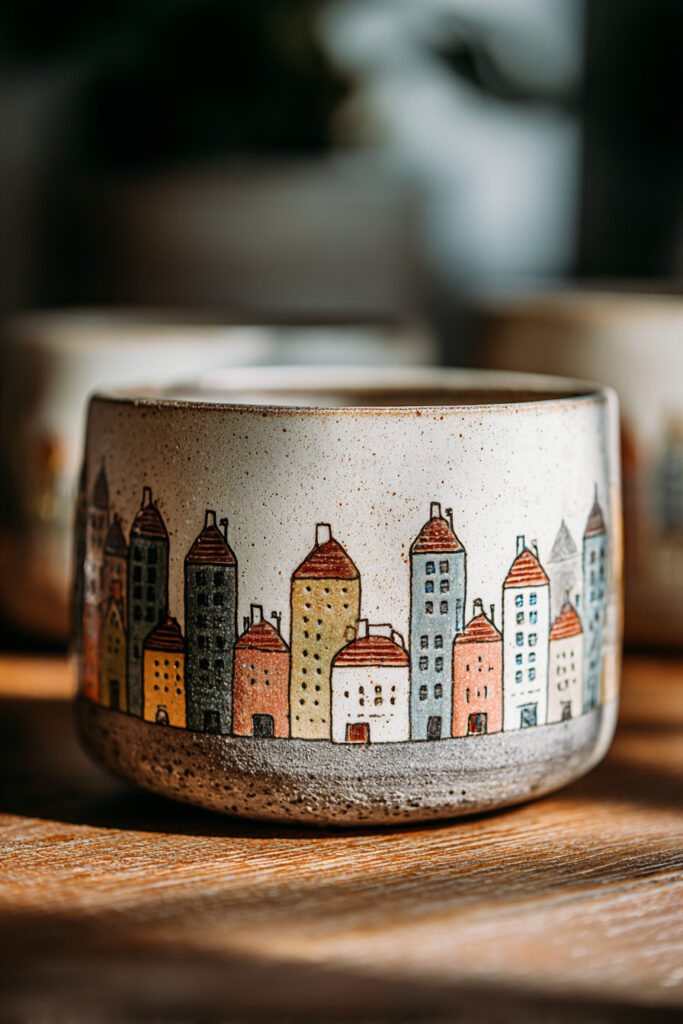
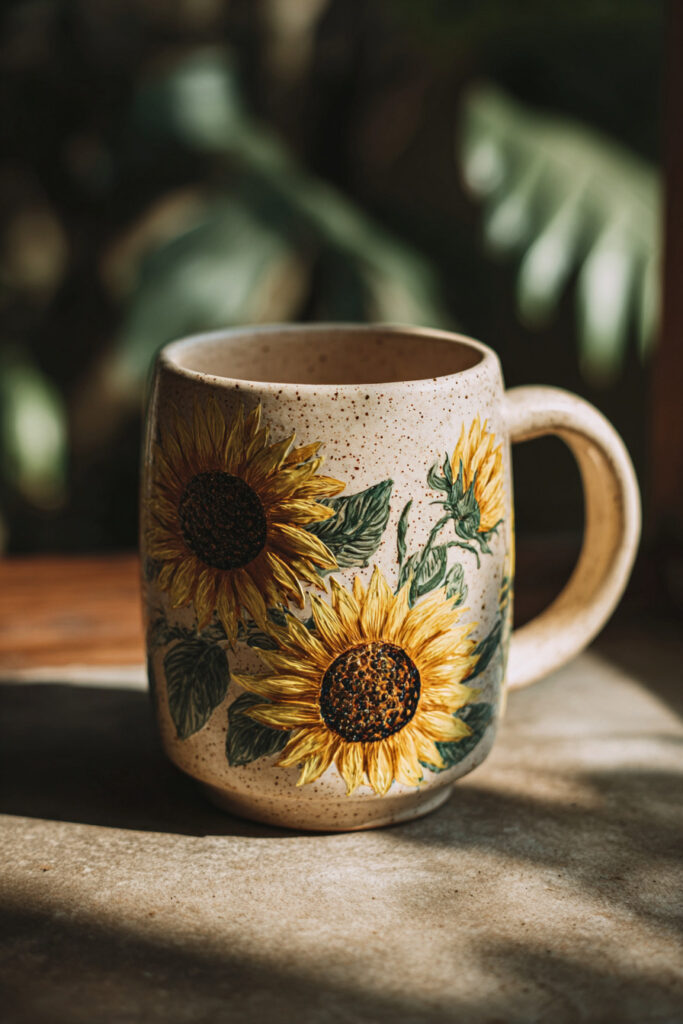
Sunflower Smile Mug
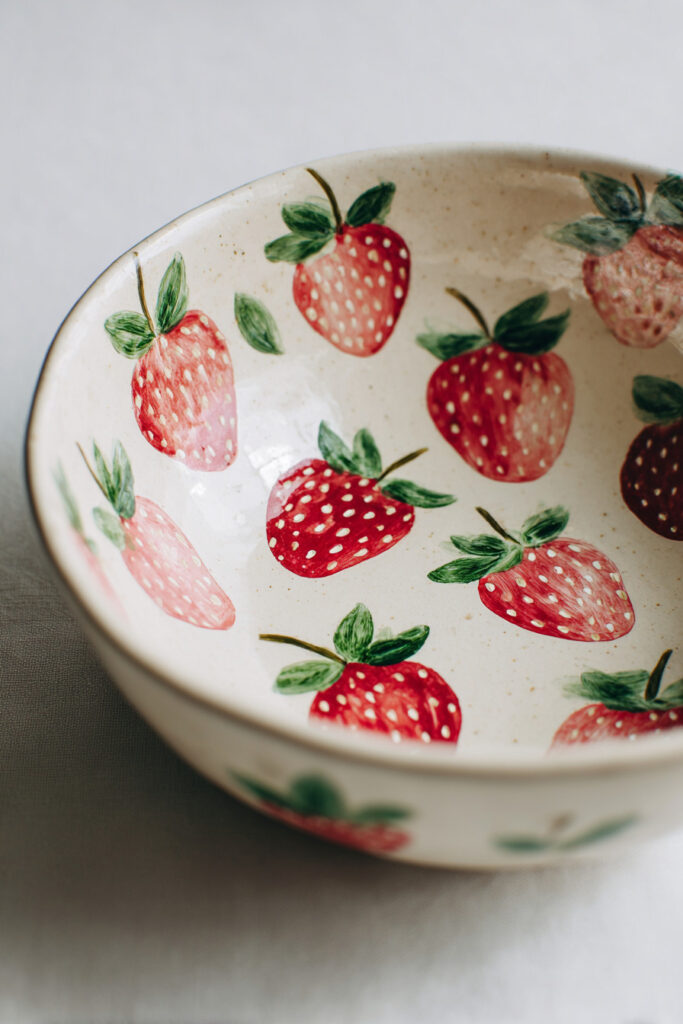
Strawberry Picnic Bowl
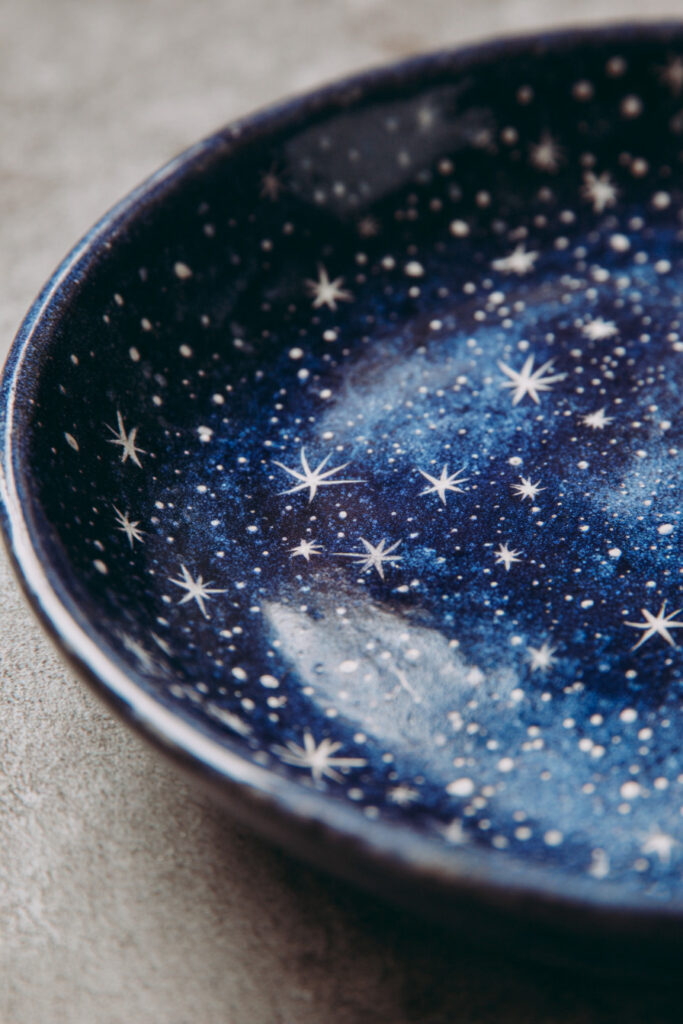
Starry Night Trinket Plate
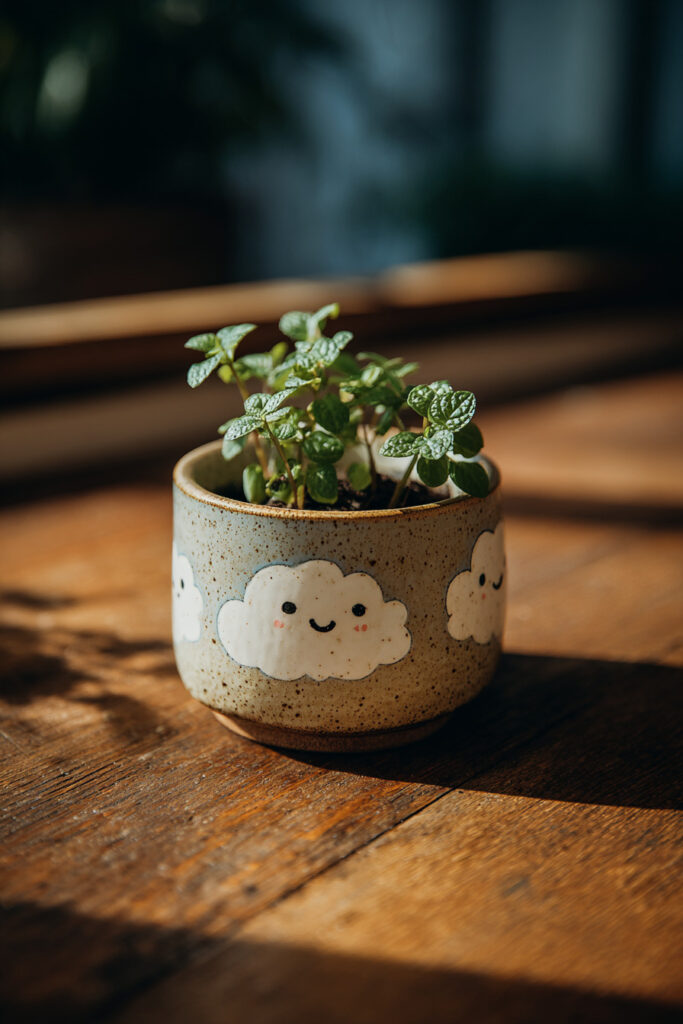
Smiling Cloud Planter
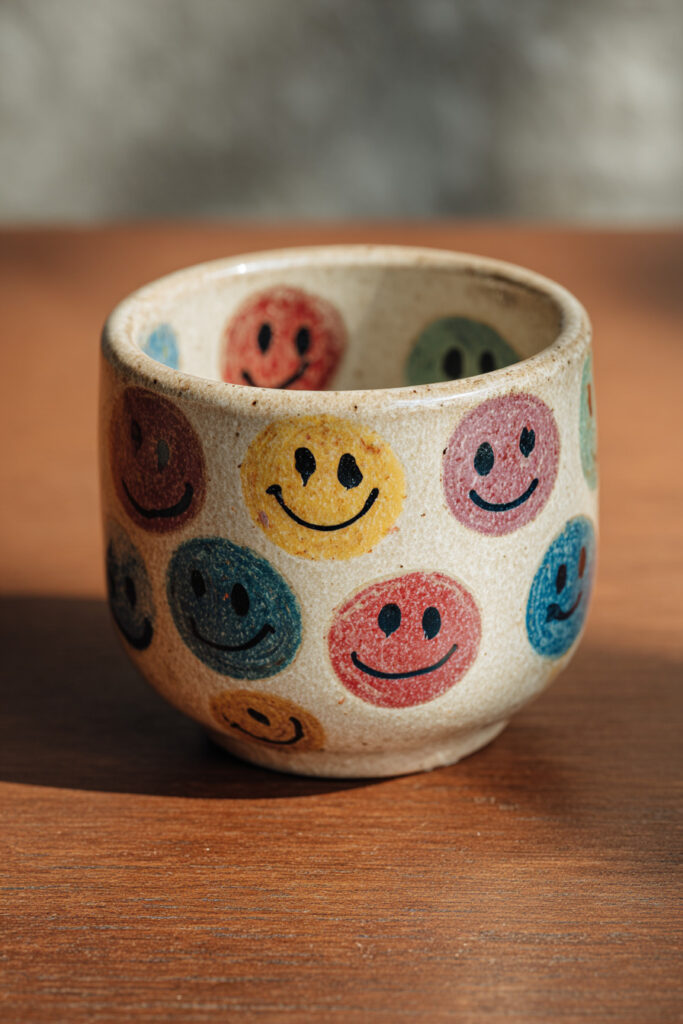
Smiley Face Espresso Cup
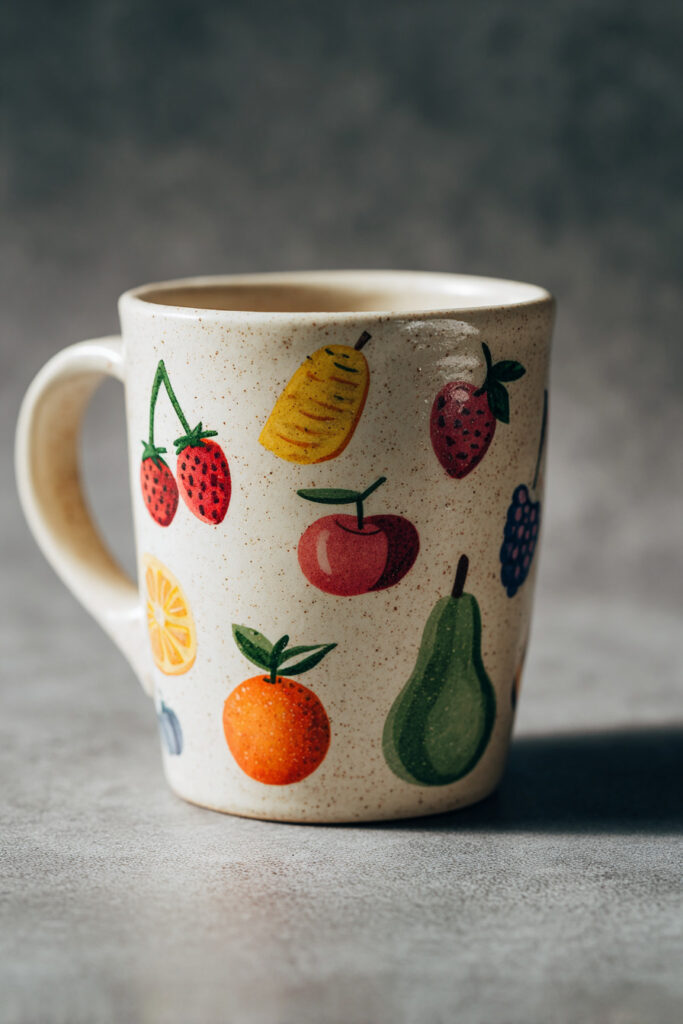
Simple Fruit Icons Cup
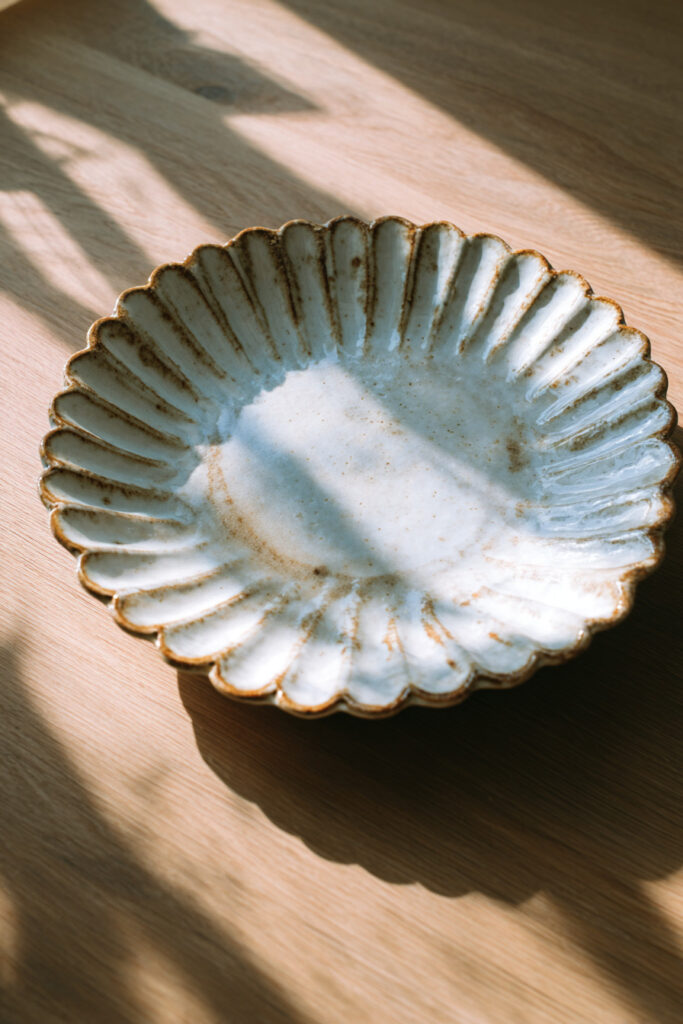
Scalloped Rim Plate
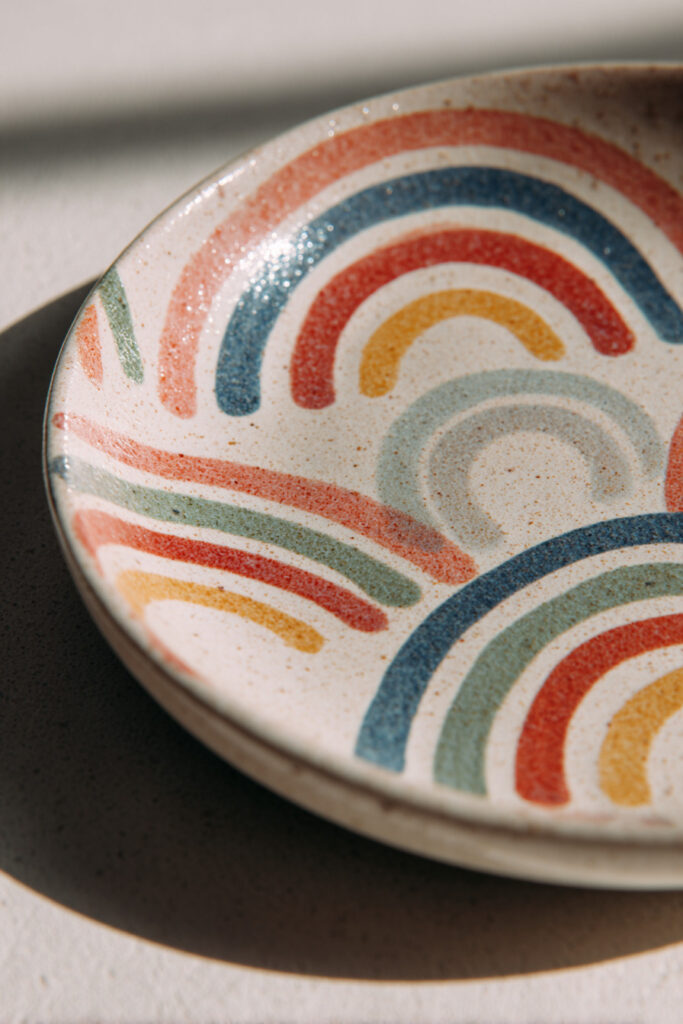
Rainbow Arch Dish
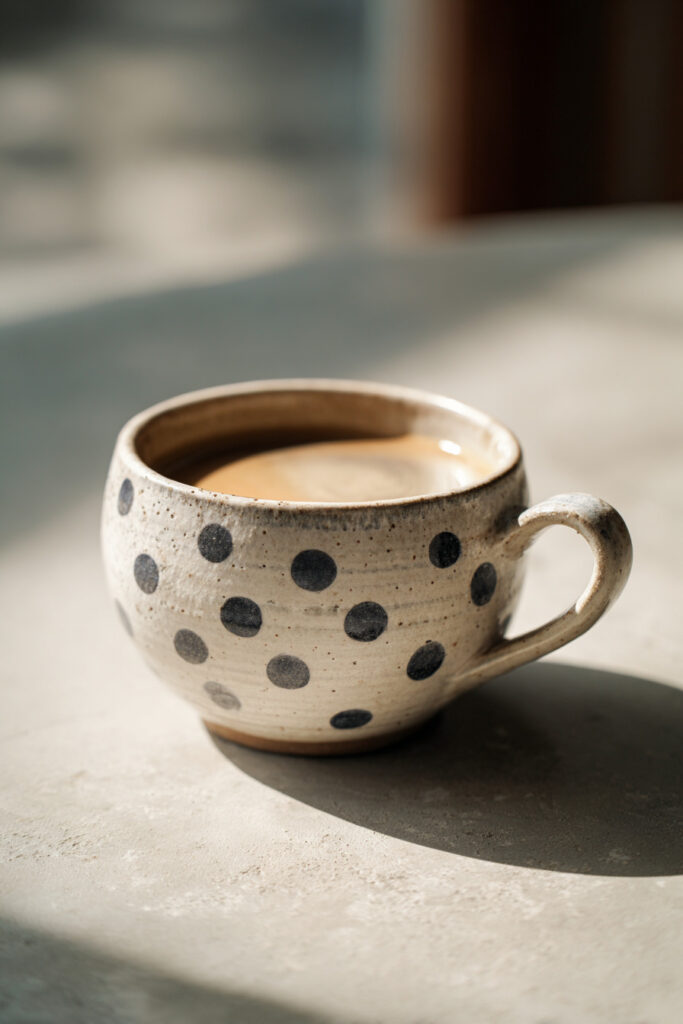
Polka Dot Teacup
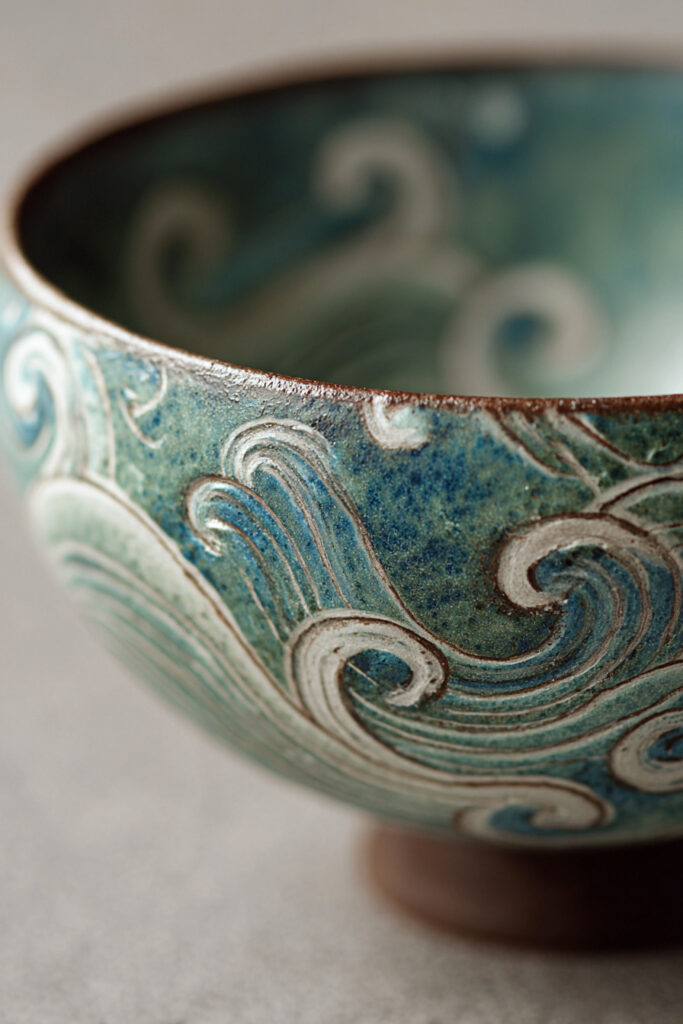
Ocean Wave Bowl
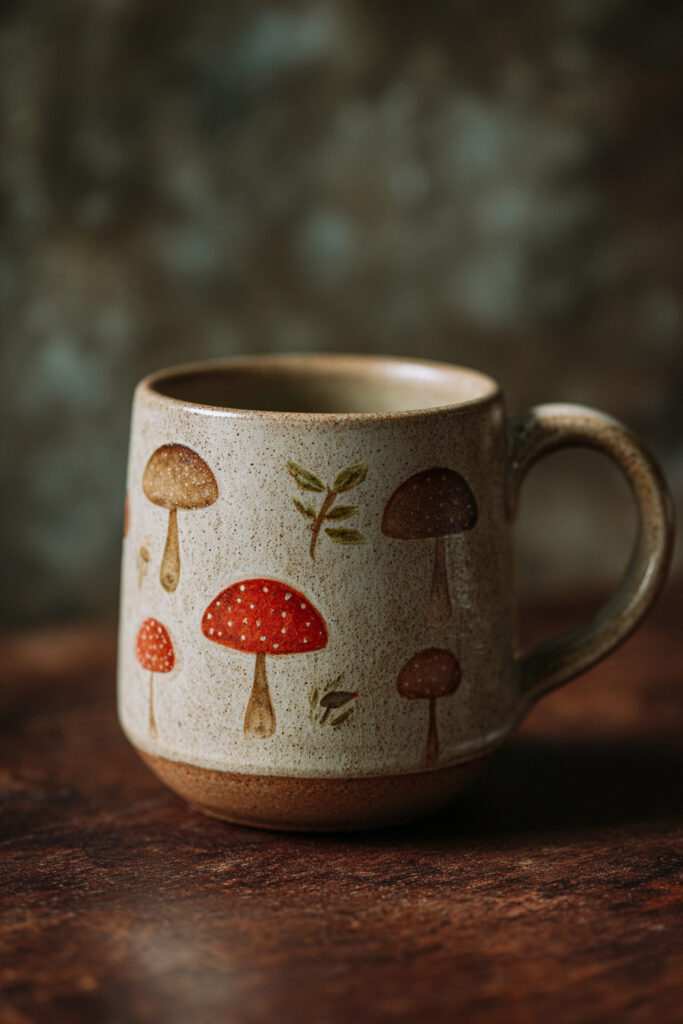
Mushroom Cottage Mug
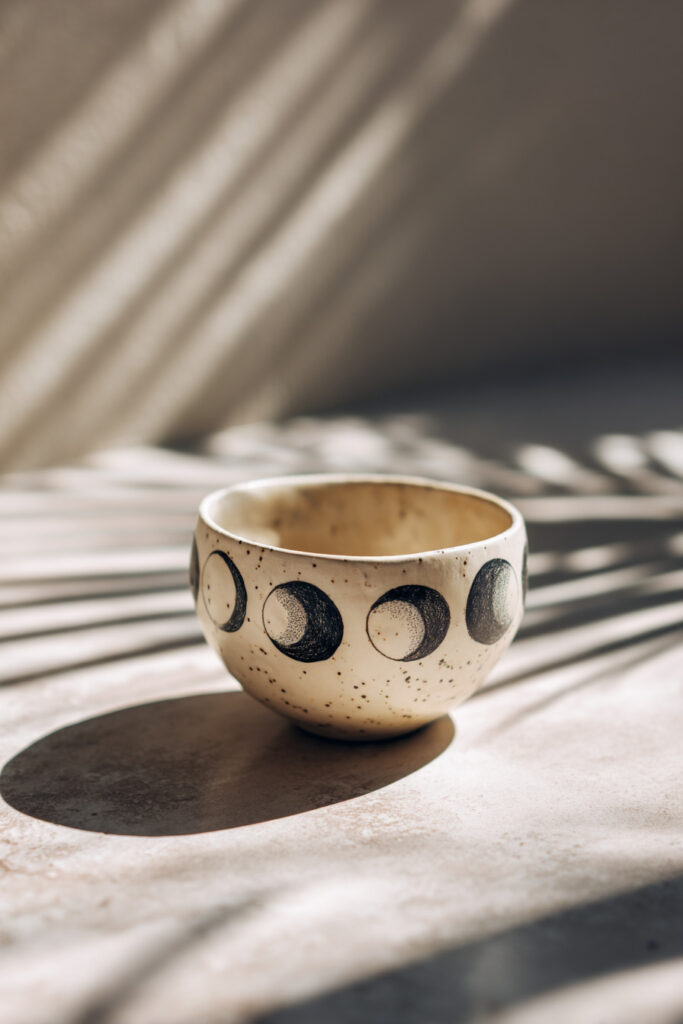
Moon Phases Bowl
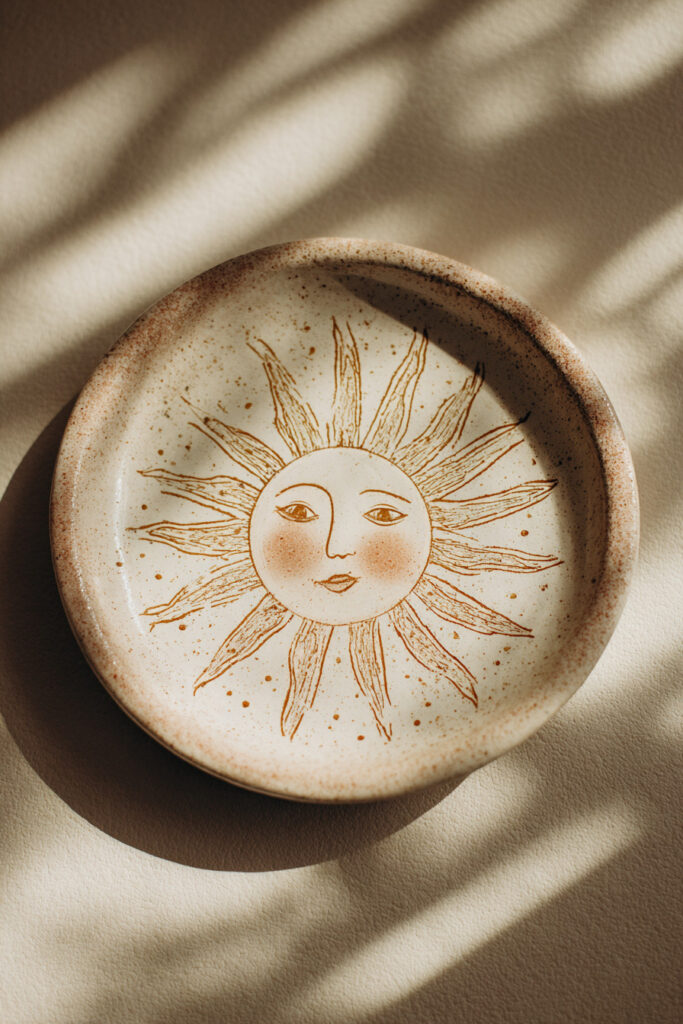
Minimal Sun Face Plate
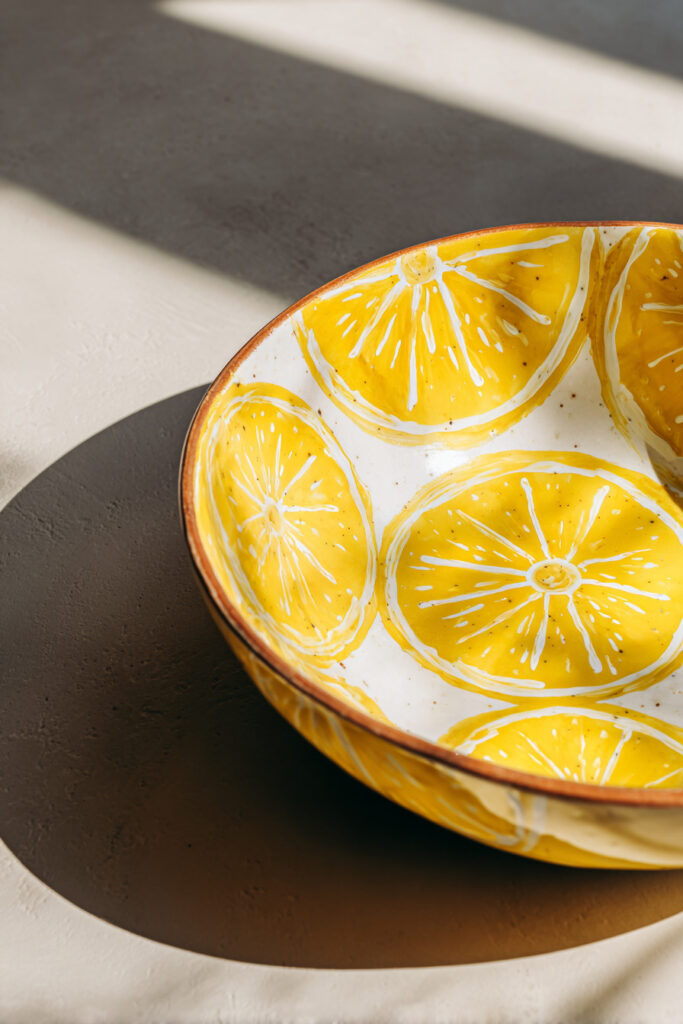
Lemon Slice Bowl
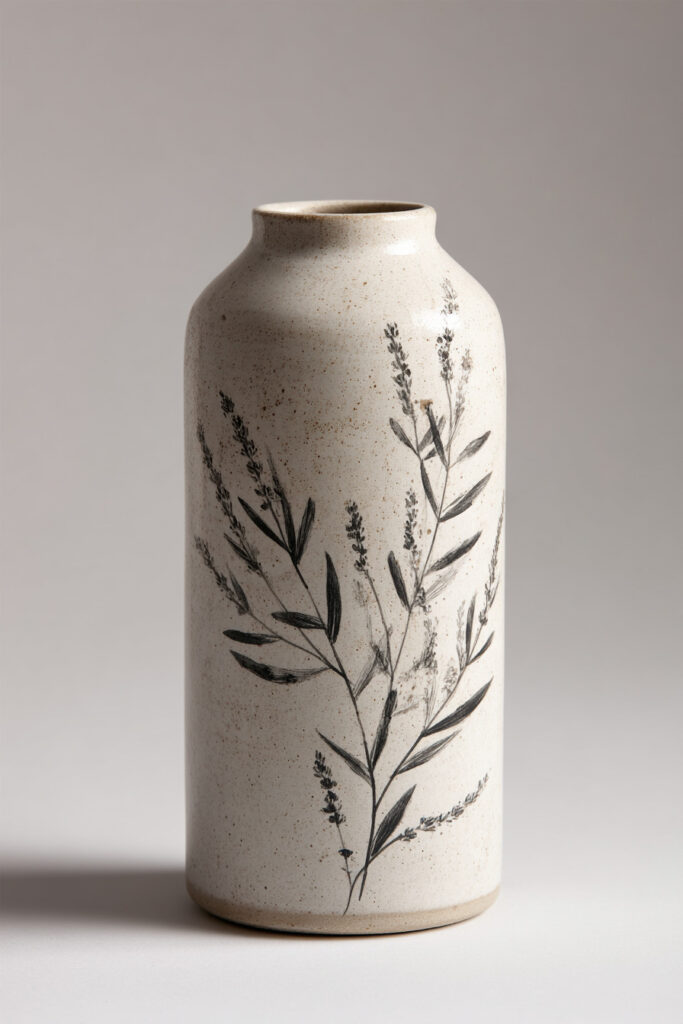
Lavender Stem Vase
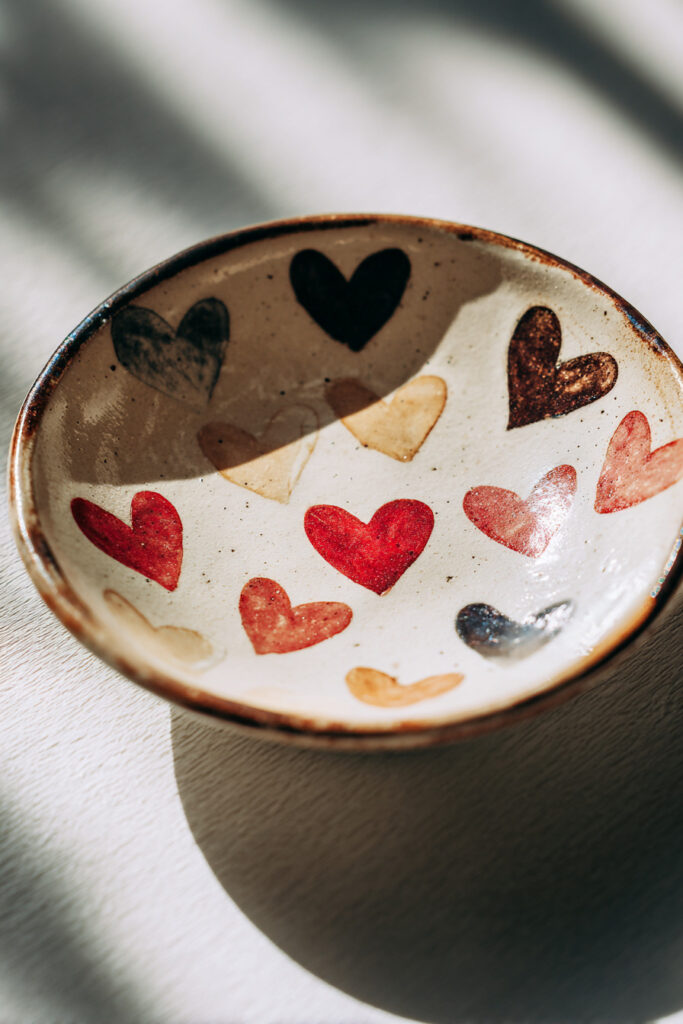
Heart Sprinkle Trinket Dish
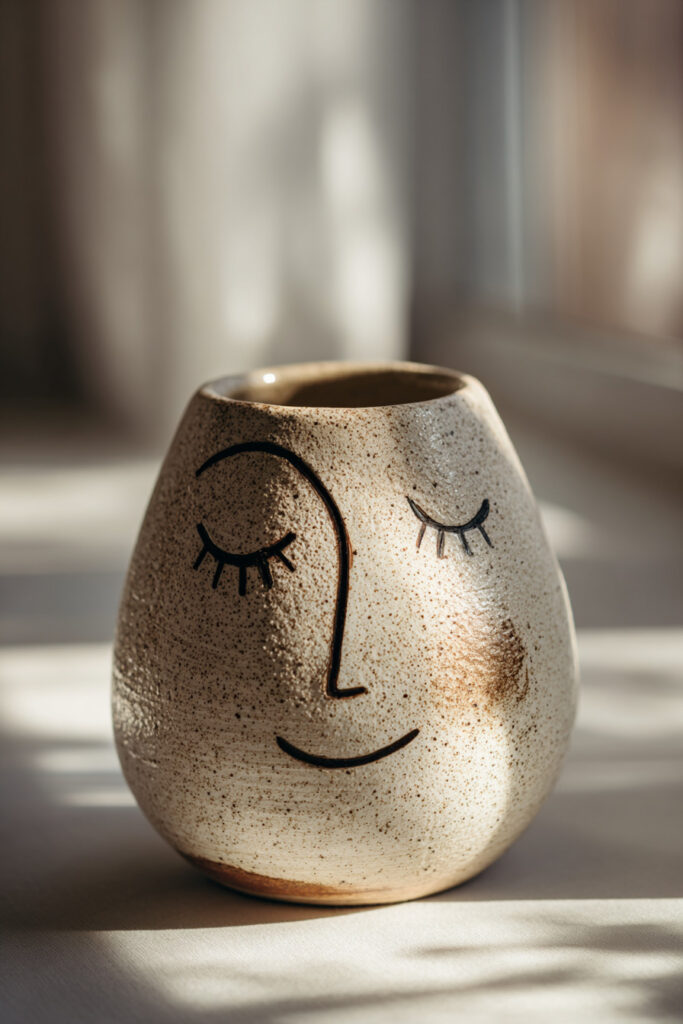
Gentle Face Vase
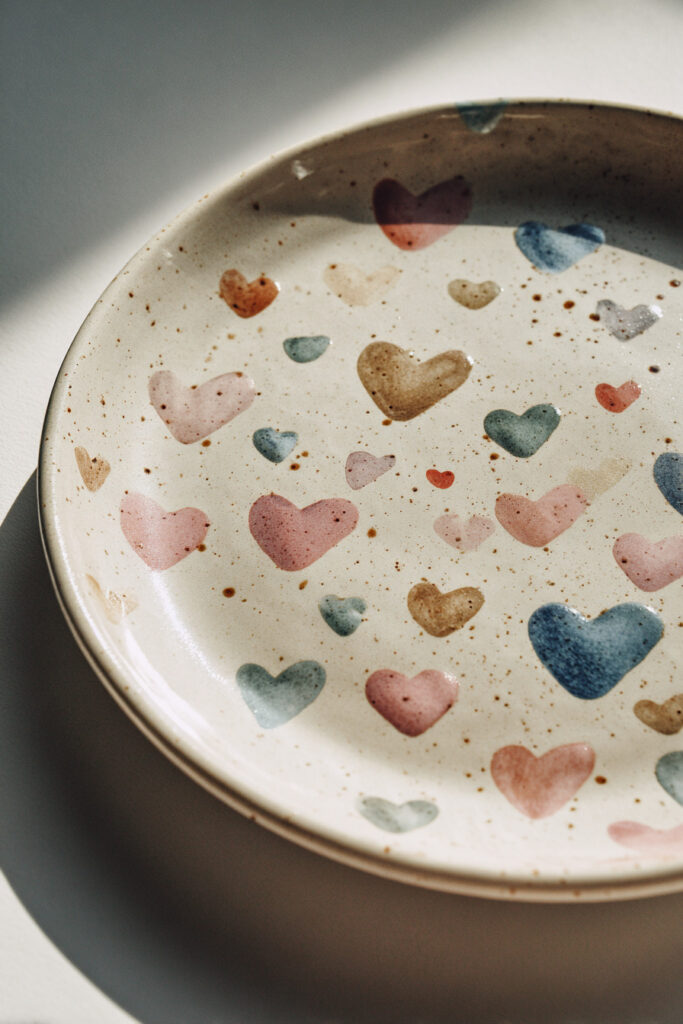
Floating Hearts Plate
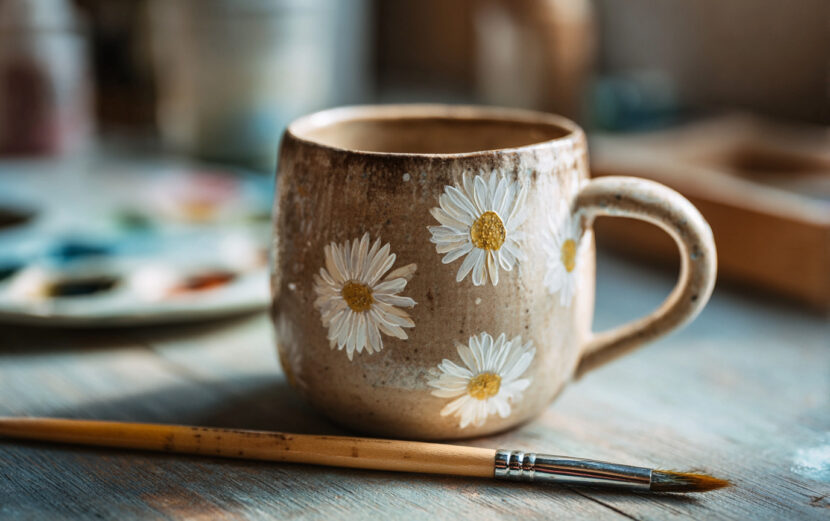
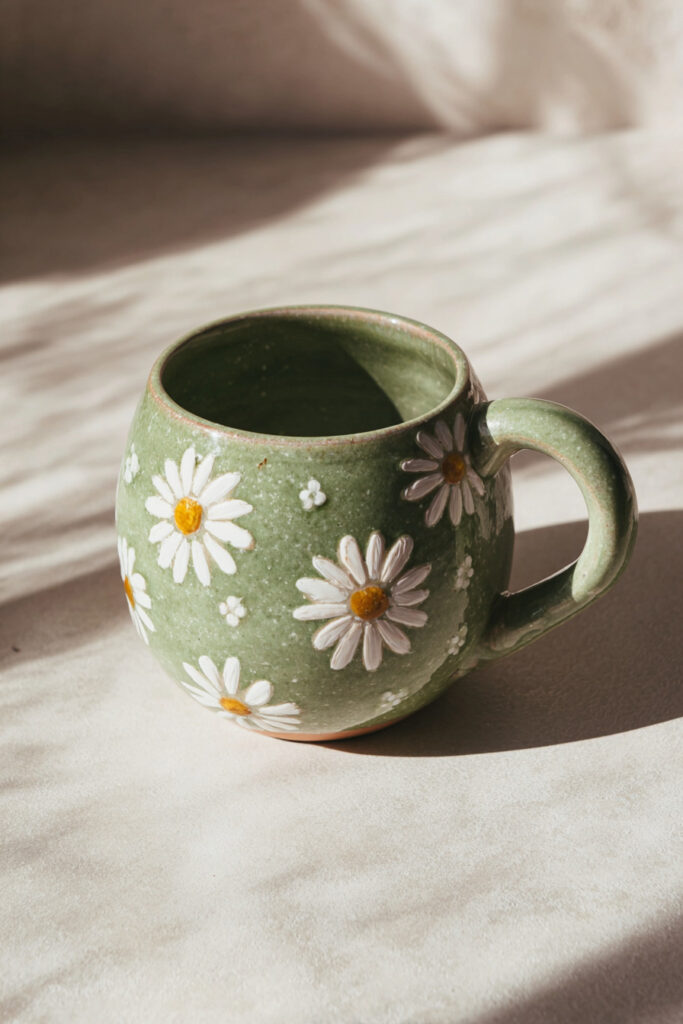
Daisy Daydream Mug
Cozy Sweater Mug
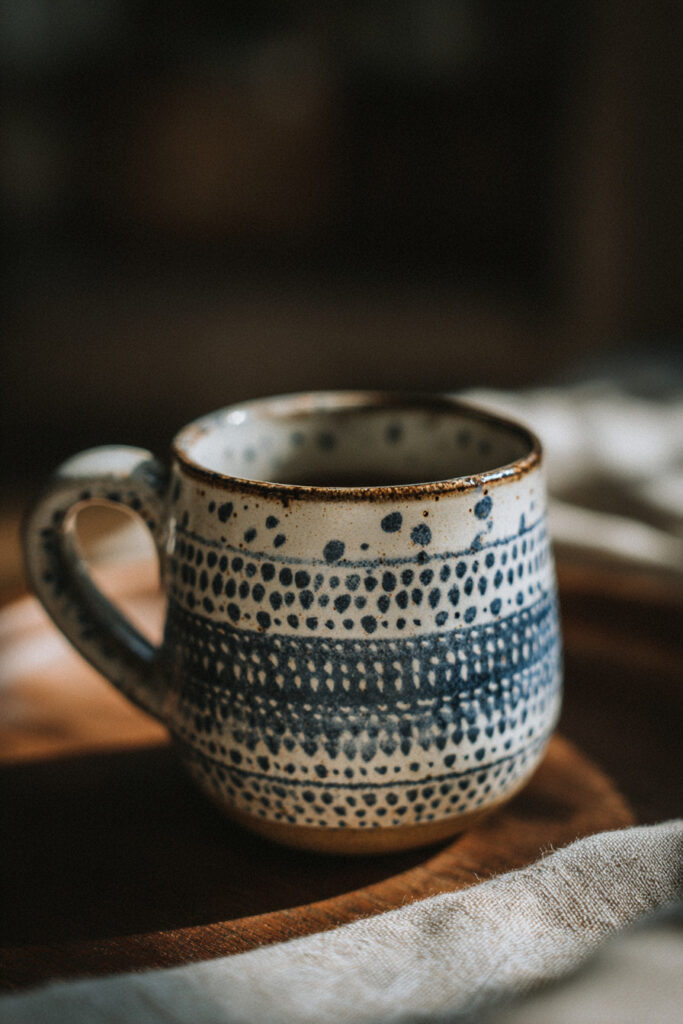
Cozy Cat Mug
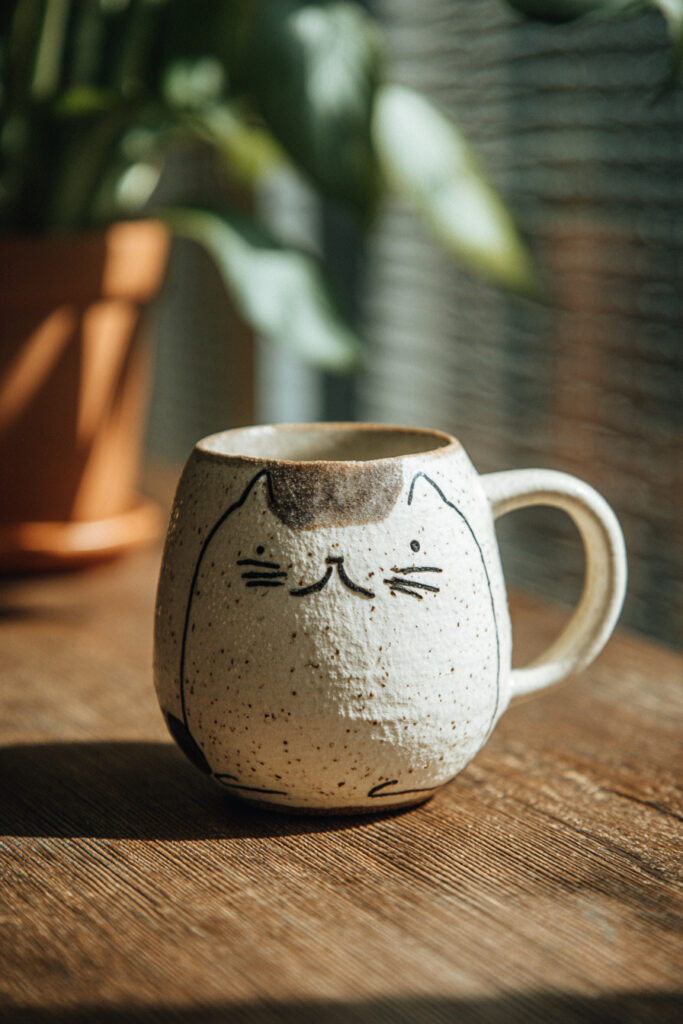
Cloud Rim Bowl
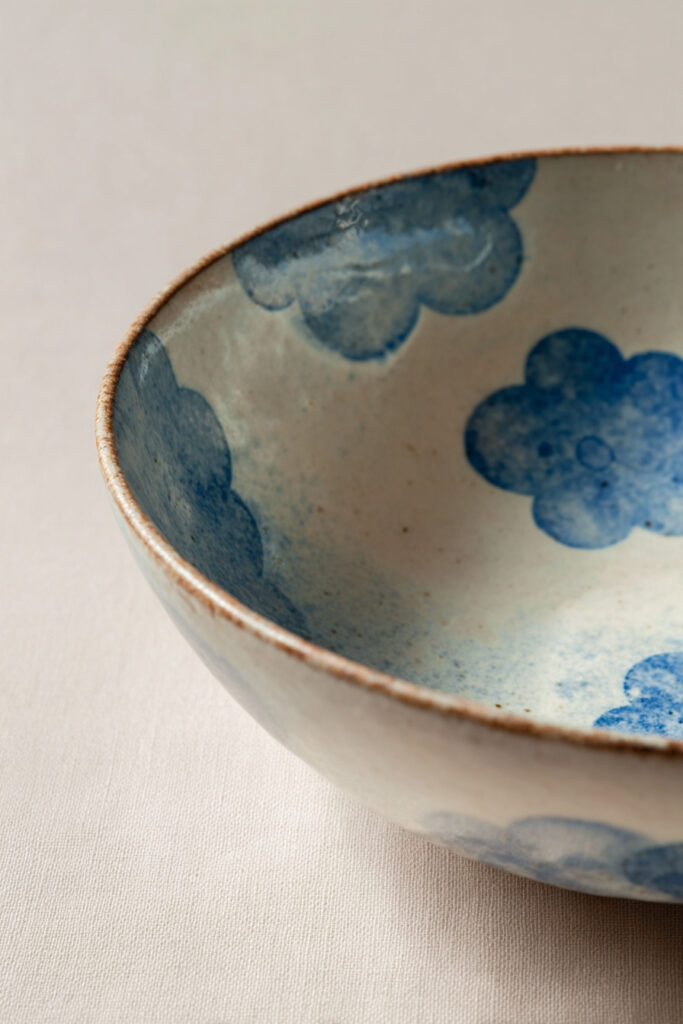
Cherry Pair Mug
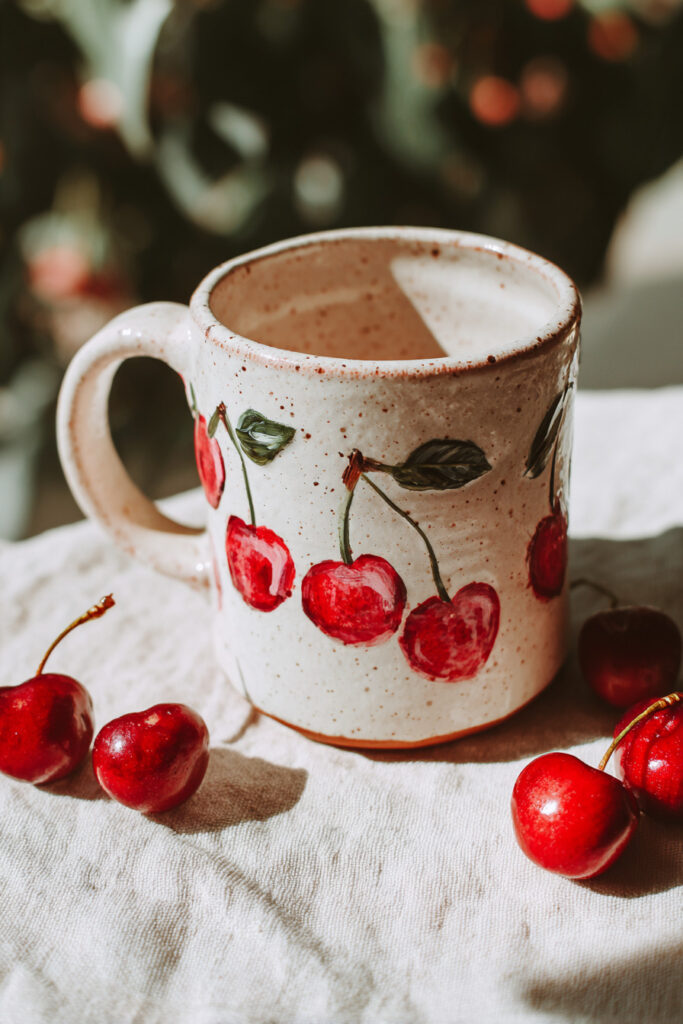
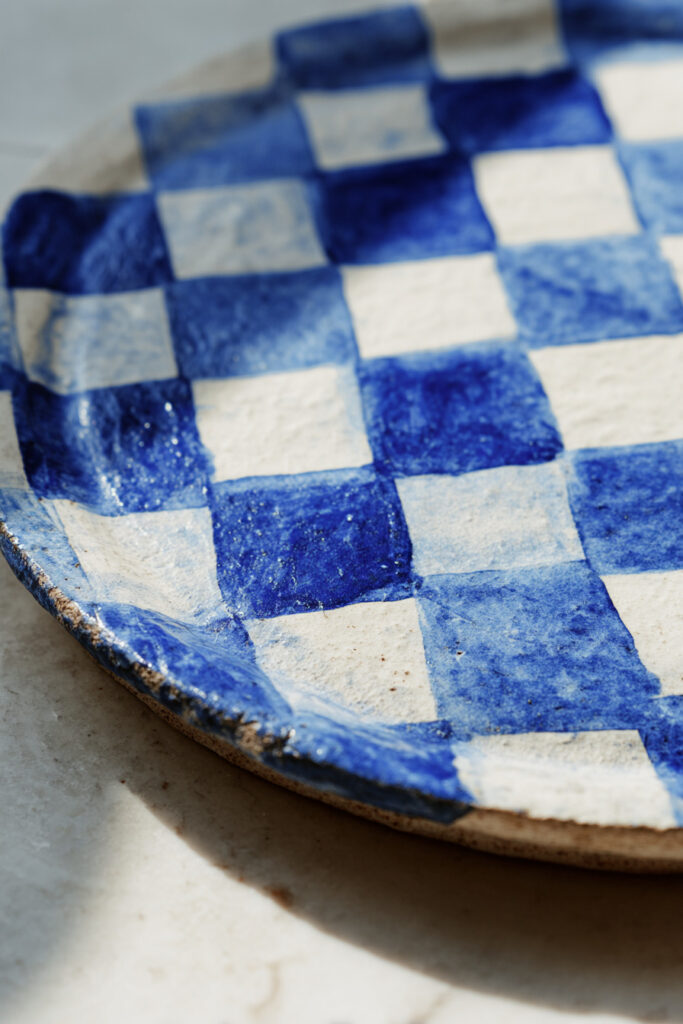
Checkerboard Jewelry Tray
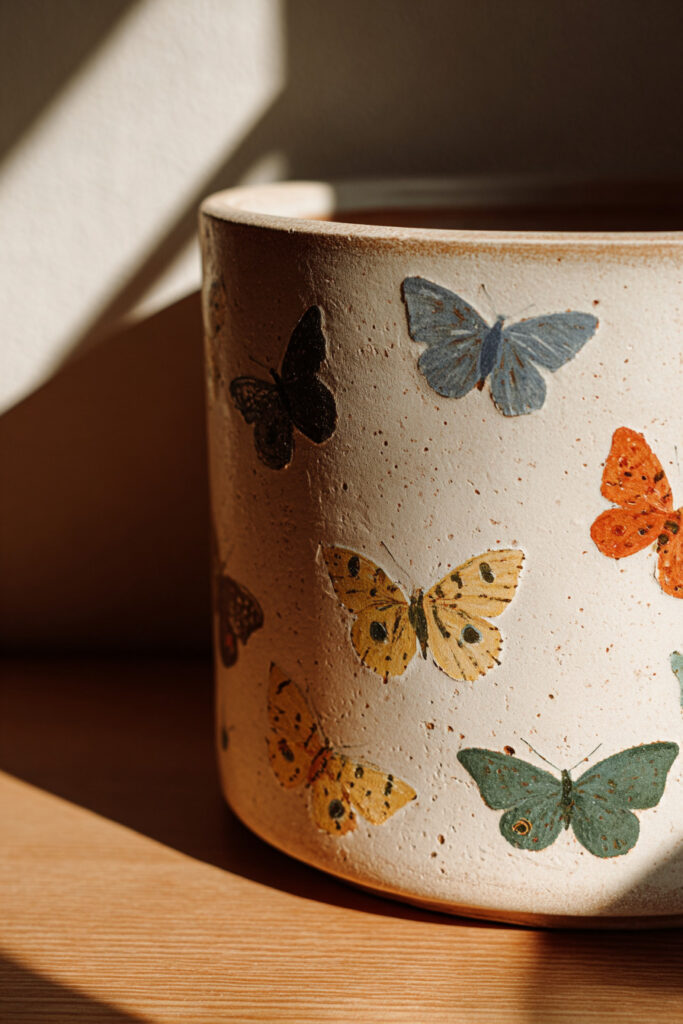
Butterfly Garden Planter
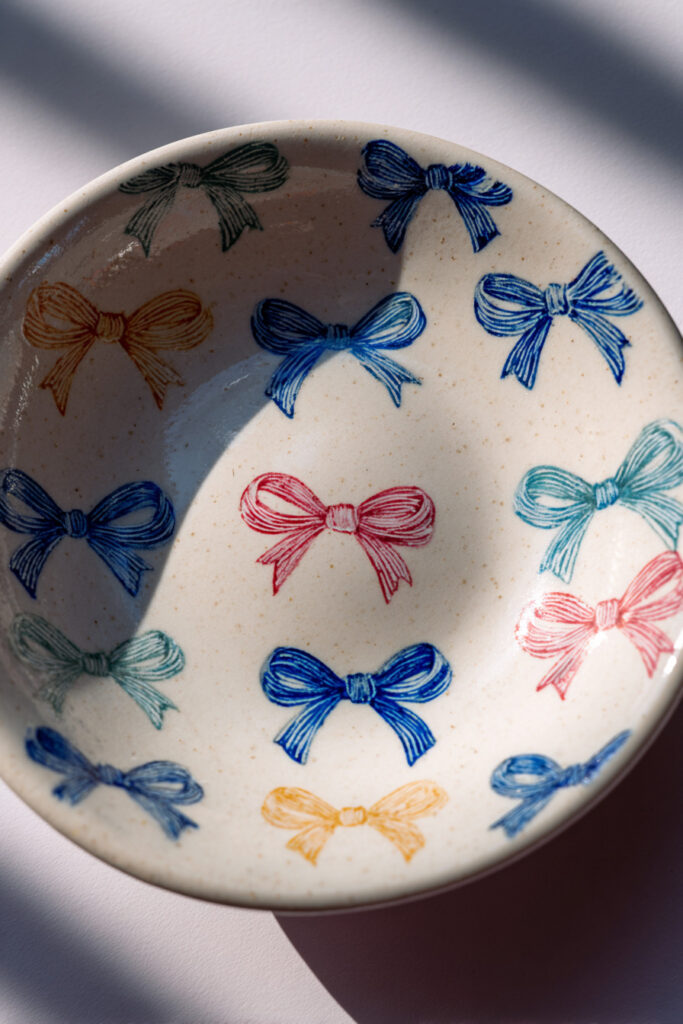
Bow Pattern Trinket Dish
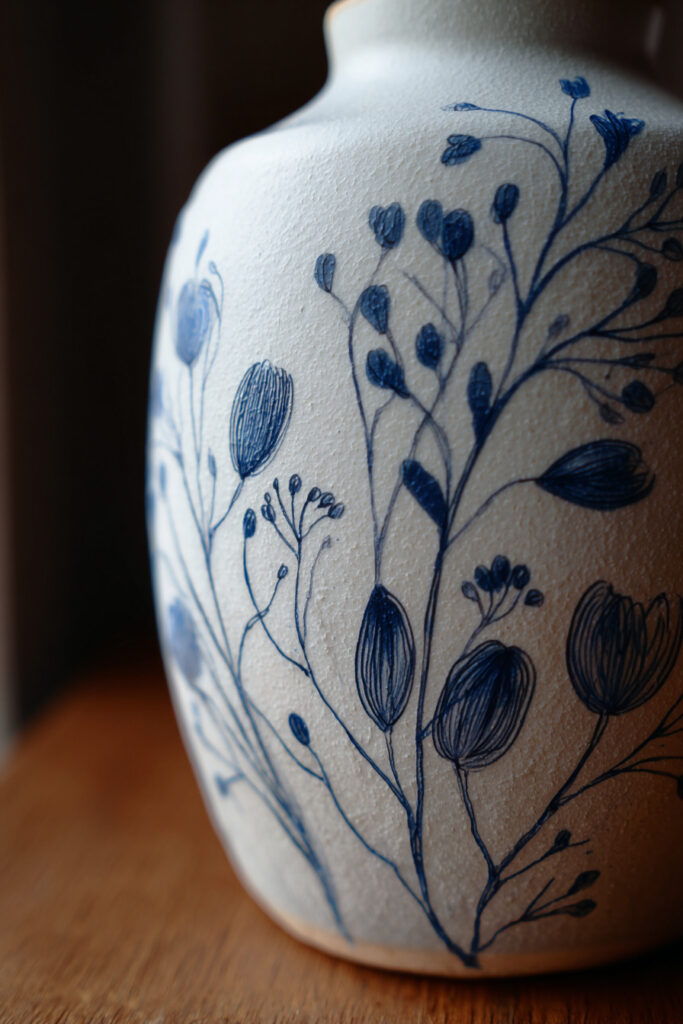
Botanical Line Art Vase
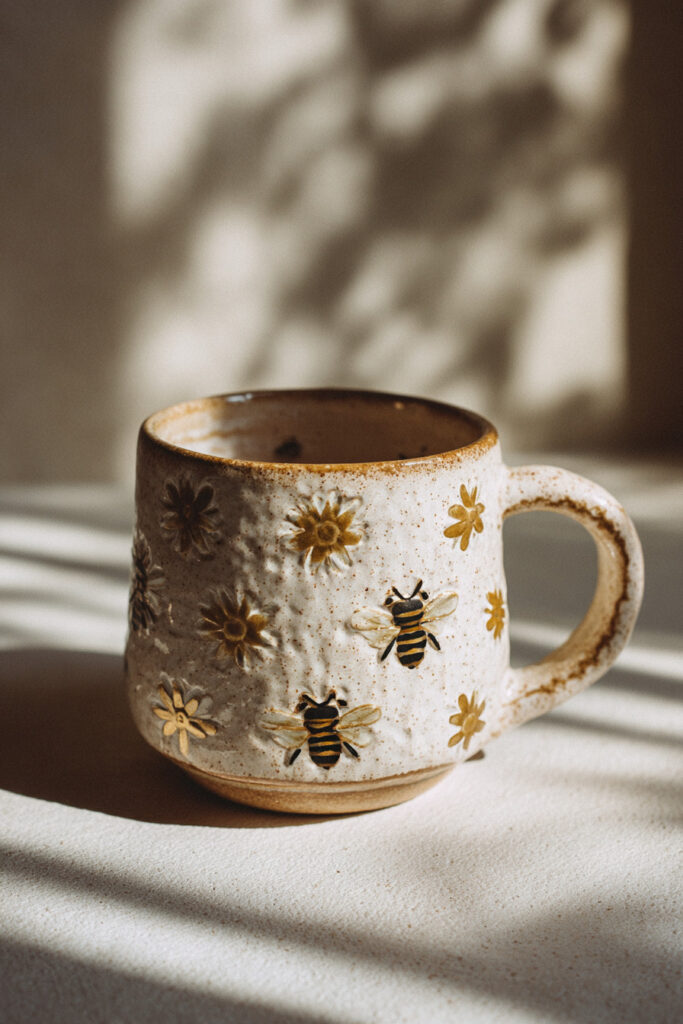
Bee & Daisy Mug
Tips for Pottery Painting Success
Take your time with layers. Most underglazes need two or three coats for vibrant color. Let each layer dry completely before adding the next. Rushing this step leads to smudges and uneven coverage.
Clean brushes between colors. Dirty brushes muddy your colors. Keep a cup of water handy and rinse thoroughly when switching between shades.
Embrace imperfection. The hand-painted quality is what makes your piece special. Wobbly lines, slight irregularities—these details prove it’s made by human hands, not a machine.
Start with light colors first. Paint lighter shades initially, then add darker details on top. This prevents you from having to apply multiple coats to cover darker colors.
Practice your design on paper first. If you’re nervous about a particular pattern, sketch it out on paper before committing to your pottery. This builds confidence and helps you visualize spacing.
Use painter’s tape strategically. For geometric designs or clean lines, tape is your best friend. Just make sure it’s firmly pressed down to prevent paint bleeding underneath.
Consider the piece’s function. If you’re painting something that will hold food or drinks, make sure your paints and sealants are food-safe. Ask your studio about their glazes or check product labels carefully.
Common Beginner Mistakes (And How to Avoid Them)
We all make mistakes when learning something new. Here are the ones I see most often:
Loading the brush too heavily. This causes drips and uneven application. Wipe excess paint on the edge of your palette before applying to pottery.
Not waiting for layers to dry. I know it’s tempting to keep going, but patience pays off. Wet paint smears easily.
Choosing overly complex designs first. Start simple! Build confidence with basic patterns before attempting detailed illustrations.
Painting too close to the bottom. If your piece is getting glazed and fired, the glaze at the bottom can stick to the kiln shelf. Leave the bottom quarter inch unpainted unless instructed otherwise.
Forgetting to stir underglaze. Pigments settle. Give your paint a good stir before use to ensure consistent color.
What Happens After Painting
If you’re painting at a studio, they’ll typically apply a clear glaze over your design and fire it in their kiln. This process can take one to two weeks, so plan accordingly if you’re making gifts. The firing transforms your painted pottery into permanent, durable, often food-safe art.
The colors often look different after firing—they usually brighten and intensify. Don’t panic if your design looks pale or chalky before firing. The kiln works its magic.
If you’re working with acrylic paints at home, you’ll seal your design with a clear acrylic sealer spray. These pieces won’t be dishwasher-safe and should be hand-washed gently.
Building Your Pottery Painting Practice
Once you’ve completed a few pieces, you’ll likely catch the pottery painting bug. Here’s how to keep the momentum going:
Consider starting a collection—match mugs for your morning coffee, a full dinner set with coordinating patterns, or seasonal pieces you rotate throughout the year. Having a theme or collection goal makes each painting session more purposeful.
Join pottery painting communities online or in person. Instagram and TikTok are full of pottery painters sharing their work, techniques, and inspiration. Following other creators keeps your ideas fresh and your motivation high.
Challenge yourself to try one new technique each session. Mastered polka dots? Try stripes next time. Comfortable with stripes? Move on to simple florals. Gradual progression builds skills without overwhelming you.
Take photos of your work. Not only does this let you share your creations, but looking back at earlier pieces shows how much you’ve improved. Trust me, that progress is incredibly motivating.
Gift-Giving with Hand-Painted Pottery
Hand-painted pottery makes incredibly meaningful gifts because of the time and thought involved. A mug you painted specifically for someone, choosing colors and designs you know they’ll love, carries more emotional weight than anything you could buy.
For birthdays, paint pieces incorporating the recipient’s interests—flowers for gardeners, books for readers, coffee themes for caffeine enthusiasts. Personalization shows you really know them.
Wedding gifts can include matching “Mr.” and “Mrs.” mugs, personalized plates with the couple’s initials, or a serving bowl with their wedding date. These become cherished keepsakes.
Holiday pottery makes great gifts too. Paint pumpkin bowls for Thanksgiving, snowflake mugs for winter, or heart plates for Valentine’s Day.
Don’t forget practical occasions—paint welcome home mugs for college students, new apartment housewarming plates, or “You’ve got this” mugs for friends going through tough times.
Finding Your Pottery Painting Style
As you work through these ideas, you’ll naturally gravitate toward certain styles. Maybe geometric patterns speak to you, or perhaps whimsical characters make you happiest. That’s your style emerging.
Don’t force yourself to paint designs you don’t enjoy just because they’re trendy. The best pottery painting happens when you’re genuinely excited about what you’re creating. If rainbow unicorns make you happy, paint rainbow unicorns. If minimalist lines feel right, lean into that aesthetic.
Your style might also be influenced by how you plan to use the pieces. Pottery for your own kitchen might skew more playful, while pieces you’re giving as gifts might be more refined. Both approaches are valid.
Over time, you’ll develop signature techniques—maybe you’re known for perfect polka dots, or your friends request your lavender mugs specifically. These signatures make your work recognizably yours.
When Things Go Wrong
Let’s be real—not every pottery painting session goes perfectly. You’ll accidentally smudge wet paint, choose colors that clash, or realize halfway through that your design isn’t working.
Here’s the secret: most “mistakes” can be fixed, especially before firing. Wet underglaze can be wiped away with a damp sponge. Dry underglaze can sometimes be scraped off carefully. And in worst-case scenarios, you can paint over mistakes with new designs.
I once painted what I thought were cute strawberries on a mug. They looked like red blobs. Instead of scrapping the piece, I turned them into abstract roses by adding a few strategic lines. Problem solved, and I actually liked the result better.
Sometimes a piece genuinely doesn’t turn out well, and that’s okay too. Not every creation will be a masterpiece. The important thing is that you learned something—what colors work together, which brush size works best, how much paint to load.
Keep those “failed” pieces for practice. Use them to test new colors or techniques. Or embrace the imperfection and use them anyway. Some of my favorite mugs are the wonky ones from my early painting days.
The Joy of Using What You’ve Made
There’s something magical about using pottery you’ve painted yourself. That morning coffee tastes a little better from a mug you decorated. Dinner feels more special on plates you designed. Those pieces carry your creative energy.
I paint pottery during particularly memorable times—trips with friends, quiet winter evenings, celebration weekends. Now when I use those pieces, they trigger specific happy memories. My lavender mug reminds me of the rainy afternoon I painted it while listening to my favorite podcast. My polka dot bowl brings back the laughter from the pottery painting date with my best friend.
Your hand-painted pottery becomes part of your daily life story. These aren’t just functional objects—they’re creative artifacts documenting your journey as an artist, even a beginner artist learning as you go.
Your First Pottery Painting Session
Ready to try pottery painting? Here’s how to set yourself up for success:
Visit a local pottery painting studio for your first experience. The staff provide guidance, quality supplies, and handle the firing process. It removes all the technical barriers so you can focus purely on creating.
Go with friends or family for your first session. Pottery painting is wonderfully social. You can chat while painting, share supplies, and inspire each other’s designs.
Choose a simple piece for your debut project—a mug, small plate, or bowl. Larger or more complex shapes can wait until you’re comfortable with the basics.
Pick one design from this list that genuinely excites you. Your enthusiasm will carry you through any nervous moments.
Give yourself time. Don’t rush. Most beginner projects take one to two hours. Enjoy the process rather than racing to finish.
Take a photo when you’re done. You’ll want to remember your first piece, and it’ll be fun to compare it to your tenth, twentieth, fiftieth creation down the road.
The Bigger Picture
Pottery painting sits at this beautiful intersection of art, craft, and mindfulness. It’s creative expression that produces something useful. It’s meditative focus that yields tangible results. It’s artistic skill-building disguised as fun.
Whether you paint pottery once a year for special gifts or make it a regular creative practice, these 30 ideas give you a solid foundation. They’re starting points, not rigid rules. Feel free to mix, modify, and make them your own.
The pottery painting community welcomes everyone—from people who swear they can’t draw a straight line to experienced artists trying a new medium. Your beginner status doesn’t matter. Your willingness to try does.
So grab a brush, pick a design that makes you smile, and transform a blank piece of pottery into something uniquely yours. The best part about pottery painting? Every single piece is an original. Even if a thousand people paint polka dots, yours will be different from everyone else’s.
That’s the beauty of handmade.